Why Nordic EV Battery Thermal Management Is Different
In mild climates, TIM selection is mostly about dissipating heat during fast charging and hard acceleration. In Nordic climates, the TIM must perform four jobs simultaneously:
Fill air gaps reliably at -30°C: Most silicone-based TIMs stiffen as temperature drops. A pad that is perfectly compliant at +20°C may lose up to 40% of its compressibility at -30°C, leaving micro air gaps that skyrocket thermal resistance
Maintain performance at +40°C: Summer fast charging pushes cell temperatures toward 45-50°C. The TIM must not flow, bleed oil, or degrade
Survive 1,000+ thermal cycles: The ΔT between a January morning (-25°C ambient) and a DC fast-charging session (cell surface 45°C) represents a thermal cycle that repeats thousands of times over the vehicle's lifetime
Provide electrical insulation: The cooling plate is often grounded. TIMs must maintain dielectric strength ≥5 kV/mm throughout the entire temperature range
Research from KTH Royal Institute of Technology in Stockholm confirms that top-and-base liquid cooling with variable heat transfer coefficient delivers the best results for cylindrical cells in Nordic climates—maintaining maximum pack temperature at 21°C with a ΔT of just 1.3°C. The TIM layer is what makes that performance achievable on the production line.
TIM Options for EV Battery Packs
1. Silicone Thermal Pads — The Nordic Production-Line Favorite
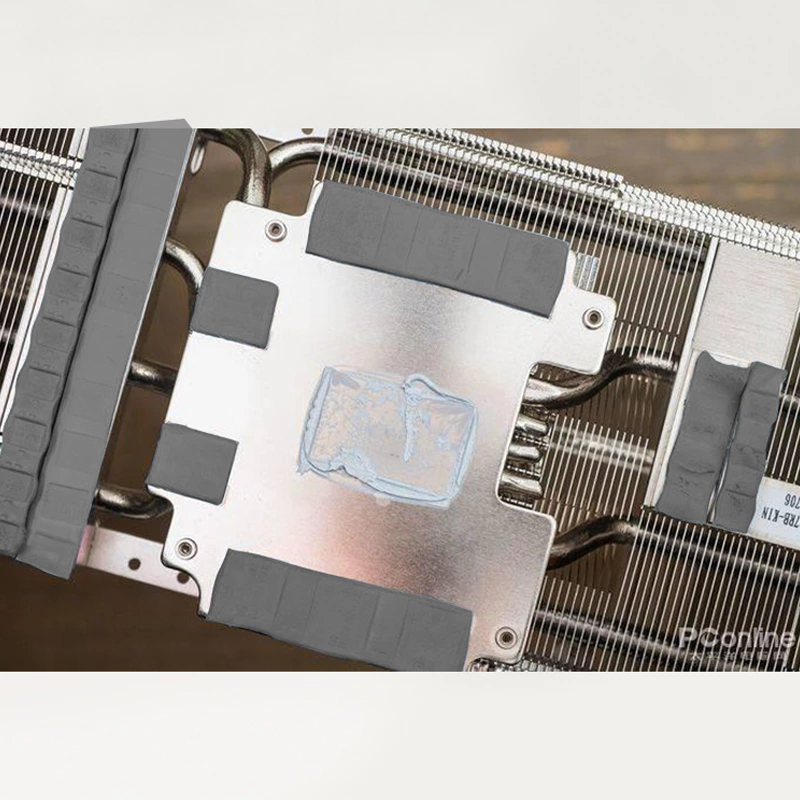
Pre-cured solid sheets, die-cuttable, with thicknesses from 0.5 to 5.0 mm. They:
Provide 1-12 W/m·K thermal conductivity
Deliver excellent gap-filling for dimensional variances up to 1.5 mm
Offer natural tackiness—no adhesive required
Serve as both thermal conductor and electrical insulator (dielectric strength >5 kV/mm)
Are automation-friendly for robotic pick-and-place assembly
Critical spec for Nordic: Choose a formulation that retains Shore 00 hardness ≤40 even at -30°C. Standard pads can stiffen to Shore A range at low temperature, losing conformability. Request the supplier's low-temperature compression set data, not just room-temperature specs.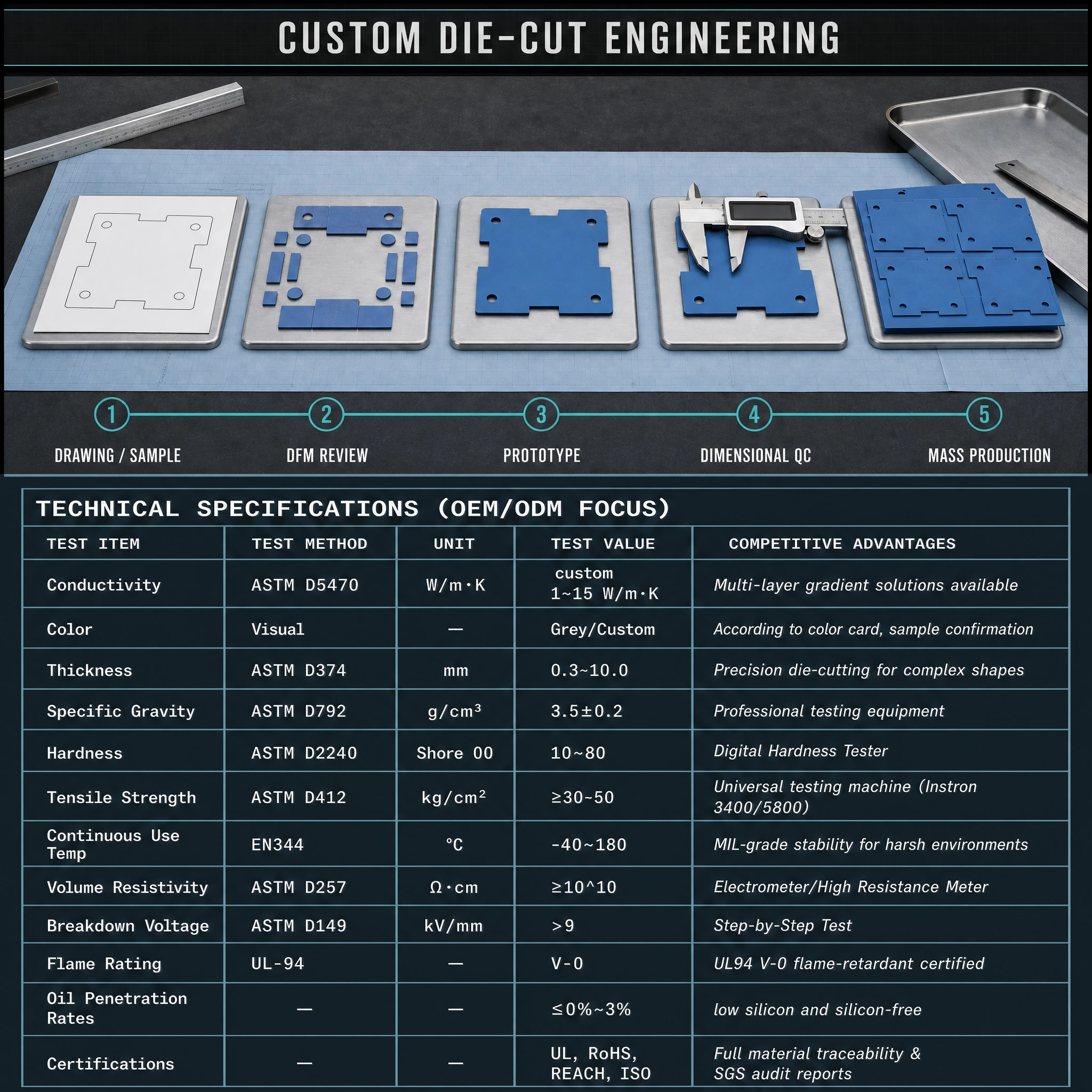
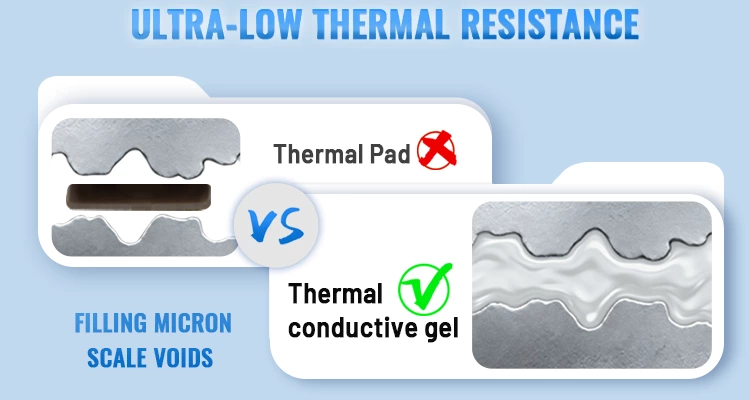
2. Two-Component Gap Filler Gels — For Complex Geometries
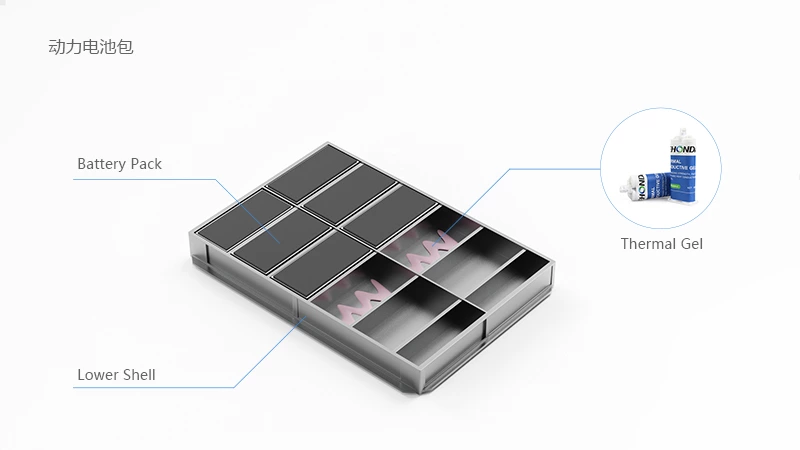
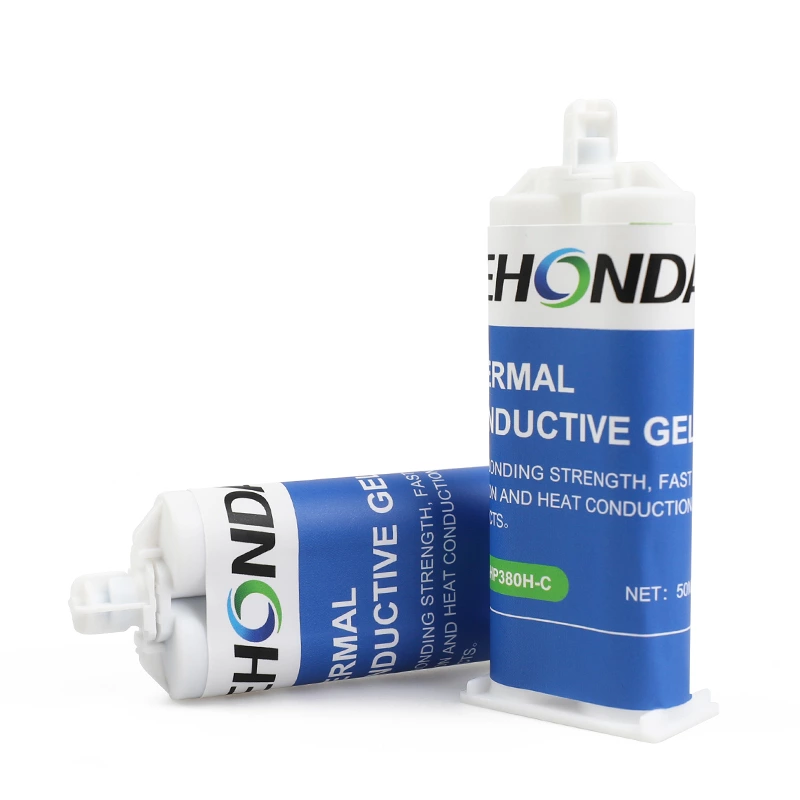
Dispensed as liquid, these flow into every crevice before curing into a soft, conformable block. They:
Eliminate virtually all air pockets regardless of surface irregularity
Deliver 2-4 W/m·K with thermal stability from -50°C to +180°C
Absorb cell swelling (lithium-ion cells expand 2-5% during charge)
Provide low outgassing (D4-D8 <350 ppm) critical for automotive cleanliness
Nordic advantage: The two-part silicone's low modulus allows assembly of very fragile devices, and its softness at -30°C remains stable—making it ideal for the extreme temperature cycling Nordic EVs endure.
3. Phase Change Materials — Emerging for High-Performance Platforms
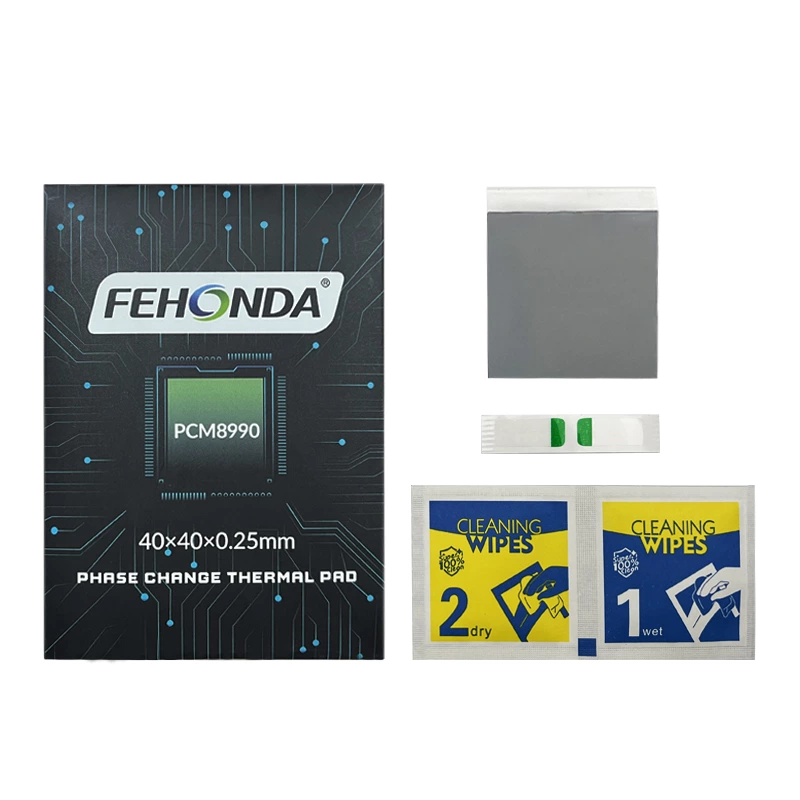
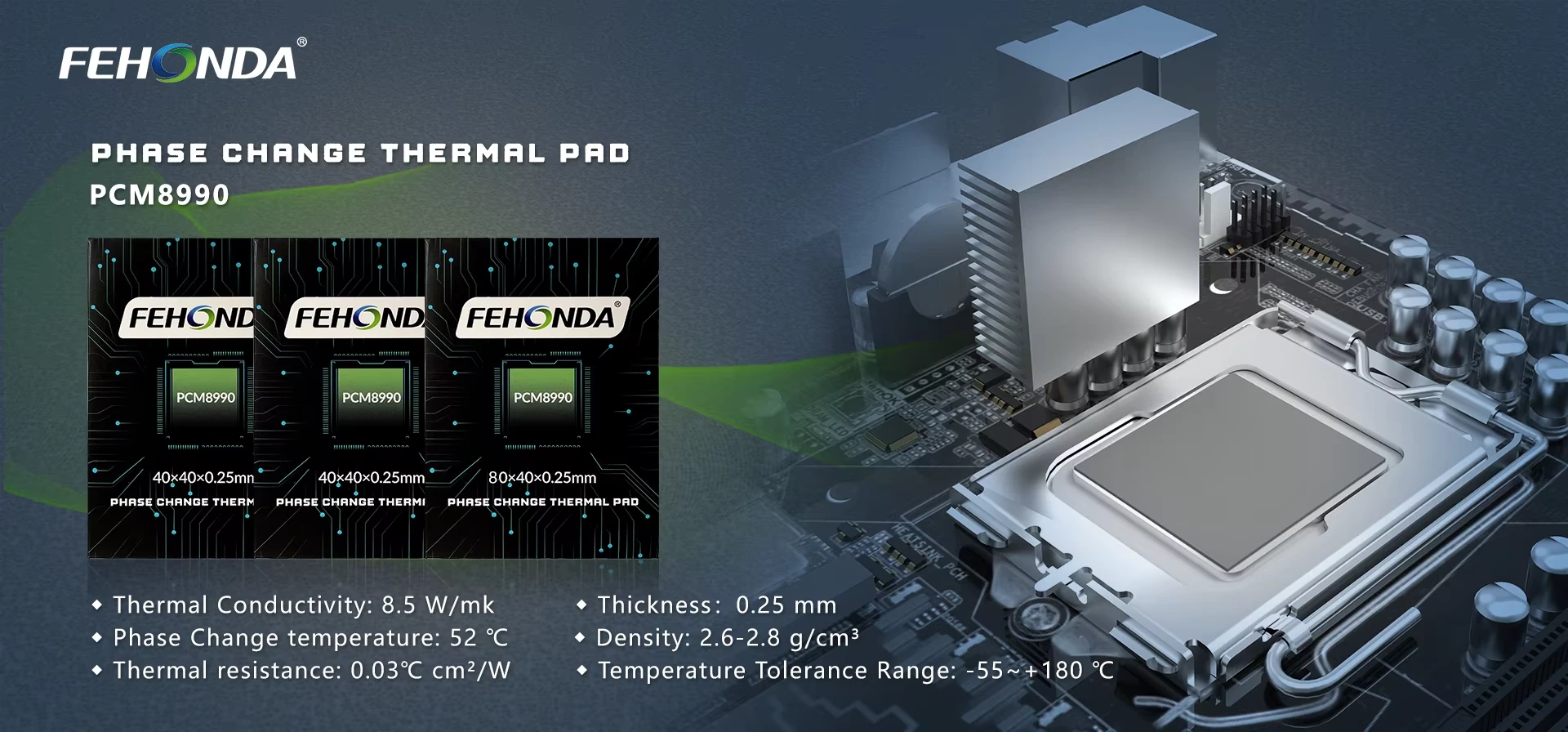
Solid at room temperature (clean handling), soften at 45-55°C (wetting the interface). PCMs are gaining preference in new platform programs where active thermal systems are specified. For Nordic premium EVs with 250 kW+ fast charging, PCMs offer the best thermal resistance stability across the temperature cycle.
The 5 Parameters That Matter Most for Nordic Applications
When specifying TIM for a Nordic-market EV battery pack, these five parameters decide success or failure:
① Low-Temperature Compressibility
Request compression-deflection curves at -30°C, 0°C, 23°C, and 80°C. A pad that loses more than 30% of its deflection capacity at -30°C vs. room temperature will fail in the field.
② Thermal Resistance (℃·in²/W), Not Just W/m·K
Headline conductivity is marketing. What matters is the actual thermal resistance across the bonded interface under compression. For Nordic fast-charging designs, target ≤0.05 ℃·in²/W at the operating thickness.
③ Oil Bleed / Volatiles
Low-temperature operation combined with summer heat accelerates silicone oil migration. Specify D4-D8 total <350 ppm and require a 1000-hour oil-bleed test report at 125°C.
④ Flame Retardancy & Toxicity
EU Battery Directive and FMVSS updates demand UL 94 V-0 rating with low smoke density and toxicity (LST). In a thermal runaway event, the TIM must delay propagation and minimize toxic fume release.
⑤ Dielectric Strength Across Temperature Range
Verify ≥5 kV/mm at both -30°C and +125°C. Many materials pass at room temperature but degrade at extremes.
A Practical Specification Workflow
Based on engineering best practices from KTH and industry leaders, here is a proven workflow for Nordic EV TIM selection:
Measure gap distribution using CMM or laser scanning—capture the full tolerance range, not just nominal
Define ΔT target: For Nordic fast-charging packs, specify ΔT ≤ 2-5°C across the module
Choose material category based on gap size (pads for 0.5-5mm uniform gaps; gels for irregular complex geometries)
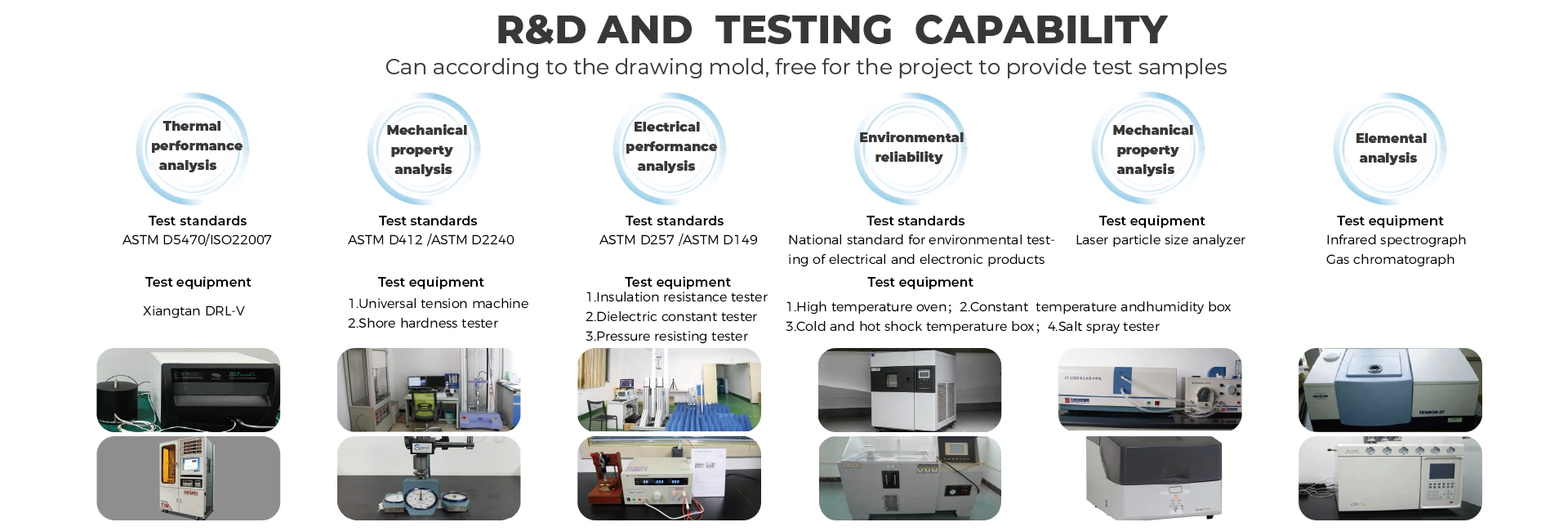
Compression testing at -30°C, 23°C, and 80°C—verify spring-back after 1,000 cycles
Validate with hot-spot testing under Nordic drive cycles (WLTP with cold-start preconditioning)
Aging qualification: 1,000+ thermal cycles between -30°C and +80°C, measuring thermal resistance drift
Conclusion: Engineer for the Whole Year, Not the Showroom
The mistake most TIM suppliers make when approaching Nordic EV customers is showcasing peak summer performance. Nordic engineers know that a pad that works perfectly at 23°C but stiffens at -30°C is worse than useless—it creates a false sense of security that fails the first January on the E4 motorway.
Specify TIMs with verified low-temperature compliance, demand full thermal resistance data across the operating range, and insist on supply chain transparency that satisfies EU Battery Regulation 2023/1542. The Nordic EV market is the most demanding in the world—but it is also the most loyal. Qualify once with the right materials and documentation, and you earn a position in a market growing at 38% annually.
For a detailed technical specification sheet covering silicone thermal pads, gap filler gels, and phase change materials for Nordic EV applications—including low-temperature compression data, thermal resistance curves, and full compliance documentation—download our Nordic EV TIM Engineering Guide or contact our technical team for free samples tailored to your pack geometry.