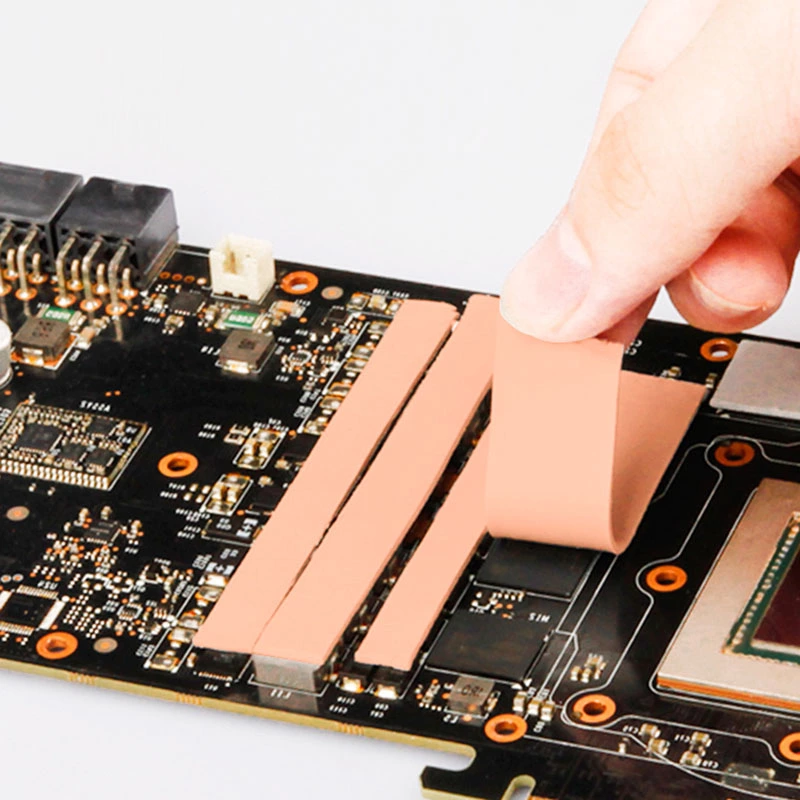
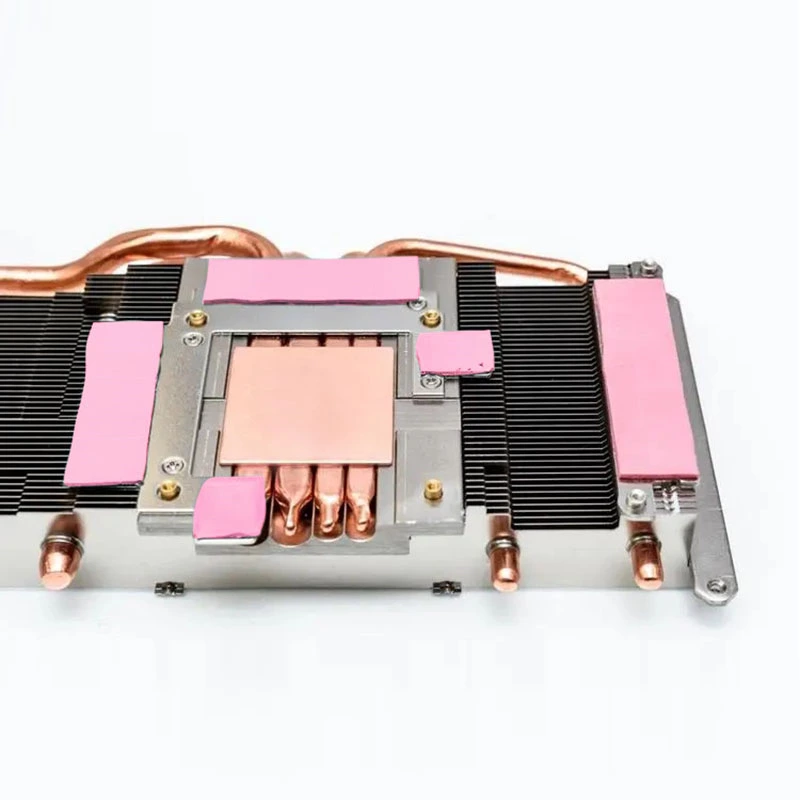
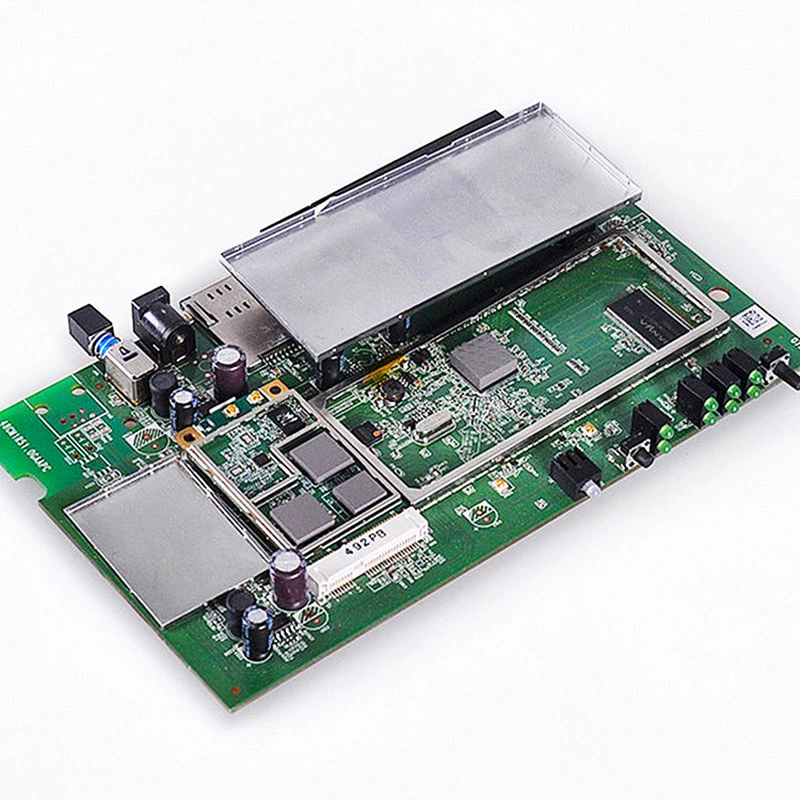
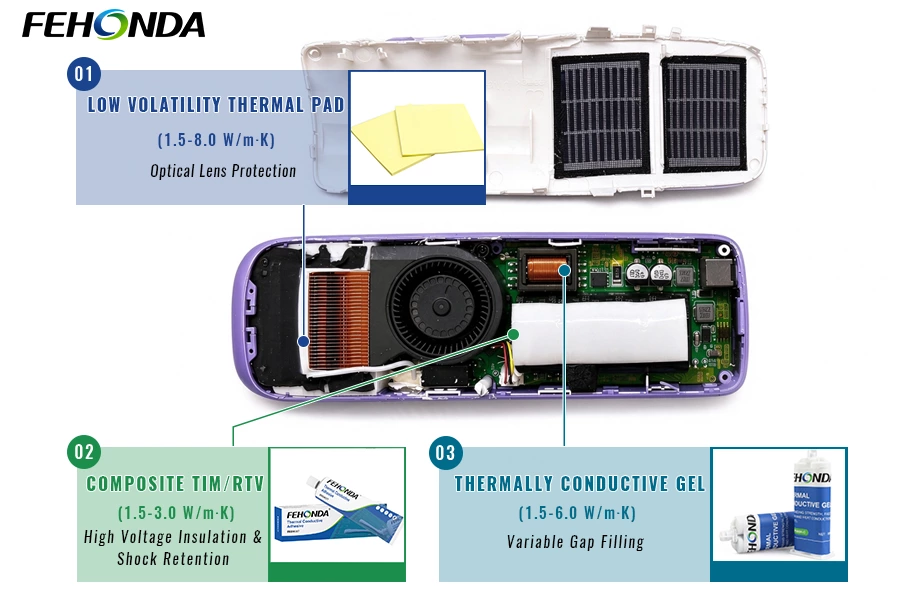
The hair removal instrument mainly destroys the structure of the hair follicle through selective photothermal action. If the large amount of heat generated by its small size and high power cannot be discharged in time. Otherwise, it may cause hot hands, affect the life of the product, or even damage the circuit. FEHONDA's low-volatility thermally pad can improve heat conduction by filling the gap between power devices and heat sinks. Achieve rapid heat dissipation, and its low volatility can also reduce internal pollution.Silicone pad can also be customized according to different product requirements, such as color, specification, thickness, etc.
Contact us to request a specification sheet and a free sample.
Hair Removal Decvice Solutions
FEHONDA | Thermal Materials Technical Article
Thermal Materials for Hair Removal Devices
The handset has to heat a follicle to 65 °C while keeping the skin it touches below 43 °C
1. Where the heat comes from
The pulse itself is a capacitor discharge. Between flashes the driver charges an energy storage capacitor to a high voltage. When a flash is requested, a trigger transformer sends a brief high-voltage spike that ionises the gas in the xenon lamp, and the stored energy pours through the now-conductive lamp in a few milliseconds
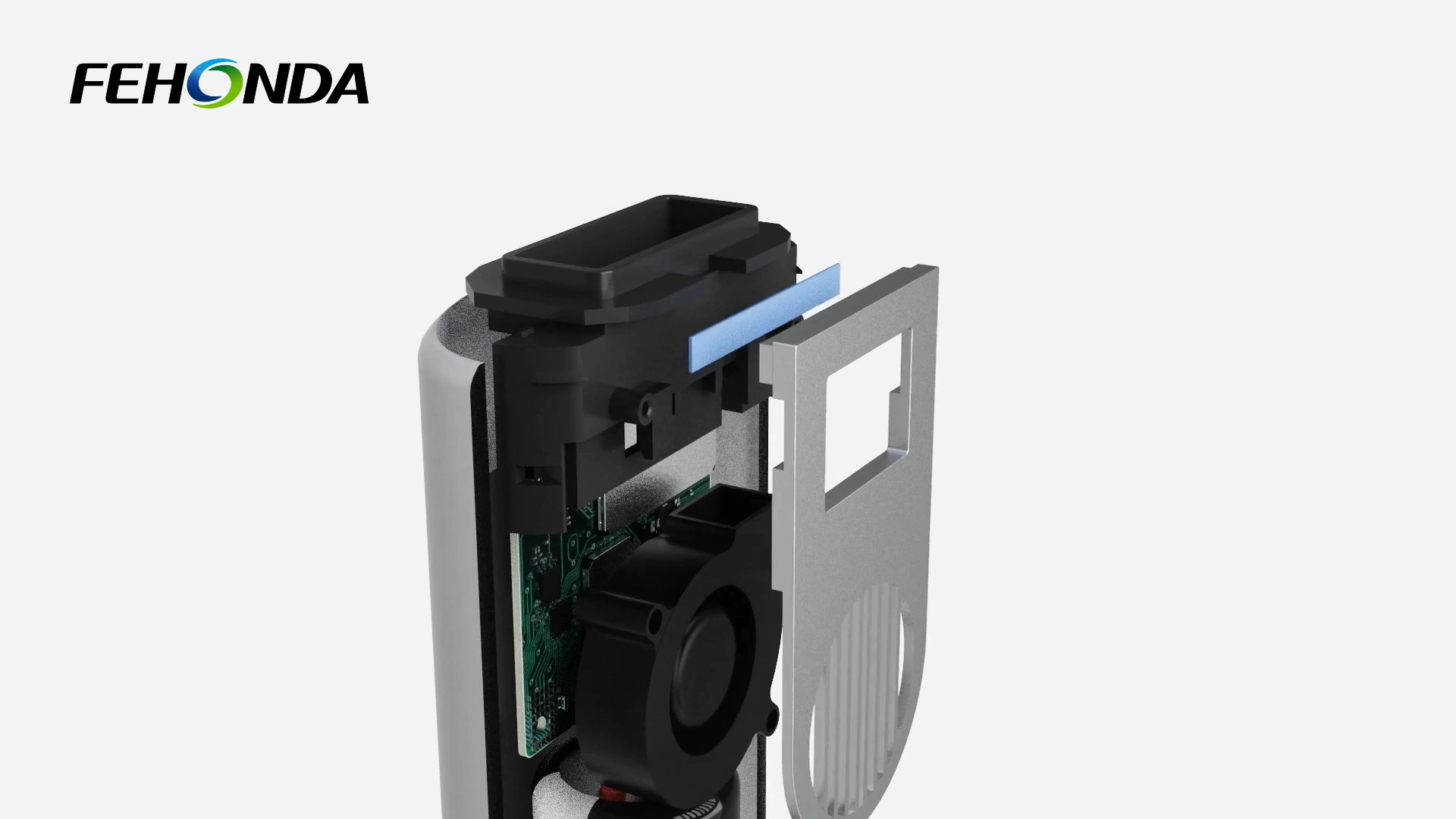
FEHONDA's low-volatility thermally pad can improve heat conduction by filling the gap between power devices and heat sinks.
2. FEHONDA materials for hair removal devices
FEHONDA supplies thermally conductive pads, gels, silica, potting compounds, composite TIM constructions and conformal coatings for beauty and personal care devices, with thermal conductivity grades spanning 1.5 to 6.0 W/(m·K). The table maps the range to handset positions.
| Product | Conductivity | Where it goes in a handset | Why it is chosen there |
| Low volatility thermal pad | 1.5–6.0 W/(m·K) | Between the power devices on the driver board and the heat sink | The core specification for this product. It fills the gap between power device and heat sink so heat leaves quickly, and its low volatility reduces internal contamination — which is what keeps the window and filter clean |
| Thermally conductive silicone sheet | 1.5–6.0 W/(m·K) | Between other heating elements and the heat sink or housing | Gives secondary sources a conduction path into the only sink available in a sealed handheld shell |
| Thermally conductive gel | 1.5–6.0 W/(m·K) | Around mixed-height components and into irregular gaps | Dispensable, so it fills variable geometry without a fixed thickness, and suits automated production |
| Thermally conductive silica (RTV adhesive) | 1.5–3.0 W/(m·K) | Bonding heat-generating parts to a spreader or the housing | Combines a heat path with mechanical retention, useful in a handheld that gets put down hard |
| Composite TIM (pad plus glass-fibre insulating sheet) | 1.5–6.0 W/(m·K) | Positions where the heat path must also be a voltage barrier | The soft layer conforms, the reinforced layer provides dielectric strength — relevant where the driver board carries high voltage |
Customisation is part of the offering rather than an afterthought. Silicone pads can be produced to your required colour, specification and thickness, which matters in a category where the pad is often visible during service and where thickness sets both the bond line and the assembly pressure.
3. Why choose FEHONDA
- Low volatility as a specified property, not a footnote. Our low-volatility thermal pads are selected where the thermal path shares a sealed air space with optics. We treat volatility as a specification alongside conductivity, because that is what keeps delivered fluence stable over the life of the handset.
- A grade for every position, from 1.5 to 6.0 W/(m·K). Covering the lamp driver, the control board, the cooling plate interface and the housing path.
- Contact before conductivity. In a handheld with limited sink area, a material that wets both surfaces and actually fills the gap beats a stiffer, higher-conductivity one that bridges only part of it. That is the difference between a head that runs cool and one that merely looks specified.
- Customised to the product, not the catalogue. Colour, specification, thickness and hardness matched to your measured gap and assembly force. On a beauty device the pad is frequently visible and frequently the thing that sets stack height, so custom dimensions are practical rather than cosmetic.
- Documentation for a real review. Thermal conductivity with test method and bond line thickness, thermal resistance at stated pressure, continuous operating temperature range, dielectric strength where isolation is needed, and RoHS and REACH declarations with supporting test reports.
- Dispensable formats for volume production. Beauty devices are built in volume. Our gels are formulated for automated dispensing, giving consistent deposit volume and clean cut-off, so a dispensed thermal path is repeatable from unit to unit.
3. Working with FEHONDA
FEHONDA supplies thermally conductive pads, gels, silica, potting compounds, composite TIM constructions and conformal coatings for hair removal and light-based beauty devices, with thermal conductivity grades spanning 1.5 to 6.0 W/(m·K), and produces pads to your required colour, specification and thickness.
Our sales and engineering support teams help with grade selection against your head layout, low-volatility specification for optical cavities, dispensing and compression trials, coating selection, compliance documentation, custom die-cutting, OEM packaging and product customisation. Send us the head drawing, the gap range and assembly force at each position, your pulse energy and repetition rate, and your production volume, and we will return a shortlist, sample recommendations and lead time. Please submit your request via our custom service form to ensure a faster response.
📩 Contact our technical team: sales@fehonda.com
4. Frequently asked questions
Why does a hair removal device get so hot?
Because it stores energy in a capacitor and releases it through a xenon flash lamp in milliseconds, and only part of that energy leaves as light. Roughly 40 to 60 percent of the input is converted to radiation, so the rest stays in the head as heat. The lamp also sits inside a reflector cavity that is deliberately closed for optical reasons, which makes cooling it harder.
What does selective photothermolysis mean for thermal design?
It sets two opposing limits. The follicle has to reach roughly 65 to 75 °C for irreversible protein denaturation, or the treatment does nothing. The surface the device touches is limited to 48 °C for 1 to 10 minute contact and 43 °C beyond 10 minutes for glass and vitreous materials. The thermal design has to hold the second while still delivering the first.
Why does the pad need low volatility?
Because the head is sealed and contains optics. Silicone materials can release low-molecular-weight siloxanes that evaporate, travel through the internal air space, and recondense on the filter and the inside of the treatment window. A film there reduces transmission, which means less energy reaches the follicle at the same setting — the device keeps passing electrical tests while delivering less output.
How does heat affect lamp life?
Lamp life is quoted in pulses, commonly in the order of 100,000 to 500,000 for commercial handsets, and that rating assumes rated temperature. Continuous high-rate operation raises component temperature, shifts the lamp's emission spectrum, and degrades the reflector and filter faster. Thermal cycling is also a recognised failure driver for the electrolytic capacitors in the pulse driver.
Does contact cooling remove the need for thermal interface material?
No, it adds an interface. The cold side of a thermoelectric cooler is bonded to the window or a surrounding frame with a thermal interface material, so that bond is part of the cooling path. TEC modules also suffer thermal cycling fatigue from swinging tens of degrees on every power-up, which is why the interface at that bond is worth specifying properly.