FEHONDA | Wave Absorbing Materials
How the material works, where it earns its place, and why the heat it creates is the part most suppliers leave out
1. How it works
Effective absorption needs two conditions met together: impedance matching, so the wave enters the material instead of reflecting off it, and attenuation, so the energy that entered is dissipated inside. Dissipation happens through dielectric loss — polarisation and conduction effects — and magnetic loss, from domain rotation, hysteresis and induced eddy currents in magnetic filler. Both end in the same place: heat.Two practical consequences make absorber selection an engineering task rather than a catalogue lookup. First, frequency band comes first: a material formulated for one band underperforms in another, so select from the band your pre-compliance scan actually shows. Second, thickness is a design variable, not a preference — the loss peak shifts with thickness, so a thinner grade can outperform a thicker one at a high frequency. Thickness is usually dictated by the stack, so it has to be reconciled with the target band early.
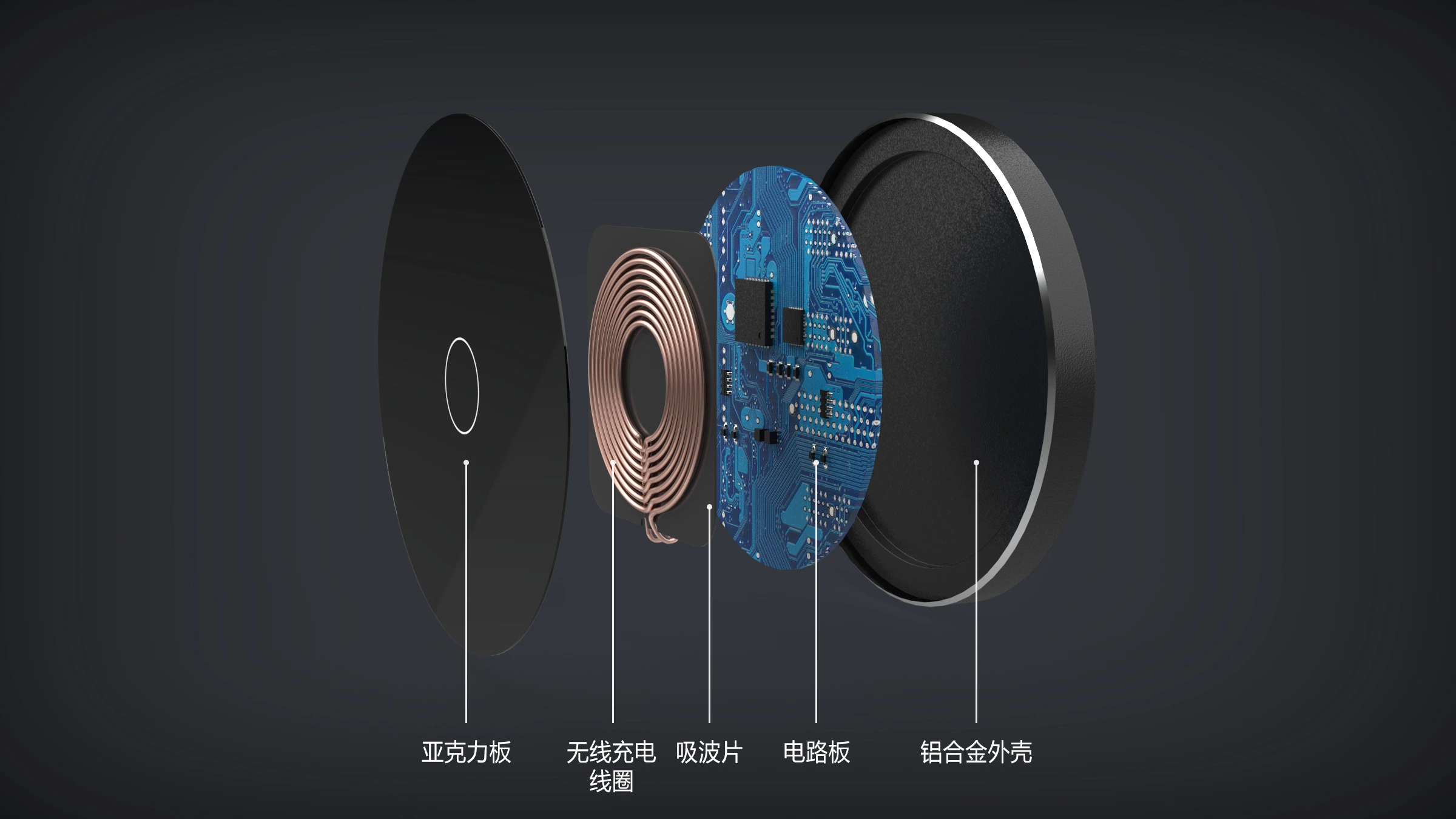
Figure 1. Adding our FEHONDA Wave Absorbing Materials to wireless charging.
2. Where it earns its place
Wireless charging
Wireless power transfer runs on magnetic coupling between coils. Behind the receiver coil sit the battery, the metal mid-frame and the board — the alternating field induces eddy currents in all three, heating metal never meant to carry current and stealing energy from the transfer.
A magnetic absorber sheet behind the coil does two jobs: it gives flux a low-reluctance path, and it shields the metal behind it. Receiver shielding sheets are documented to raise efficiency and cut coil temperature rise; the thinner high-permeability grades exist because phone, earbud and wearable stacks have almost no thickness budget.
The thermal point is practical, not academic. Wireless charging already loses a meaningful share of input power as heat, and the receiver sits against a battery whose life degrades with sustained temperature. An absorber that blocks the field but traps the heat has moved the problem.
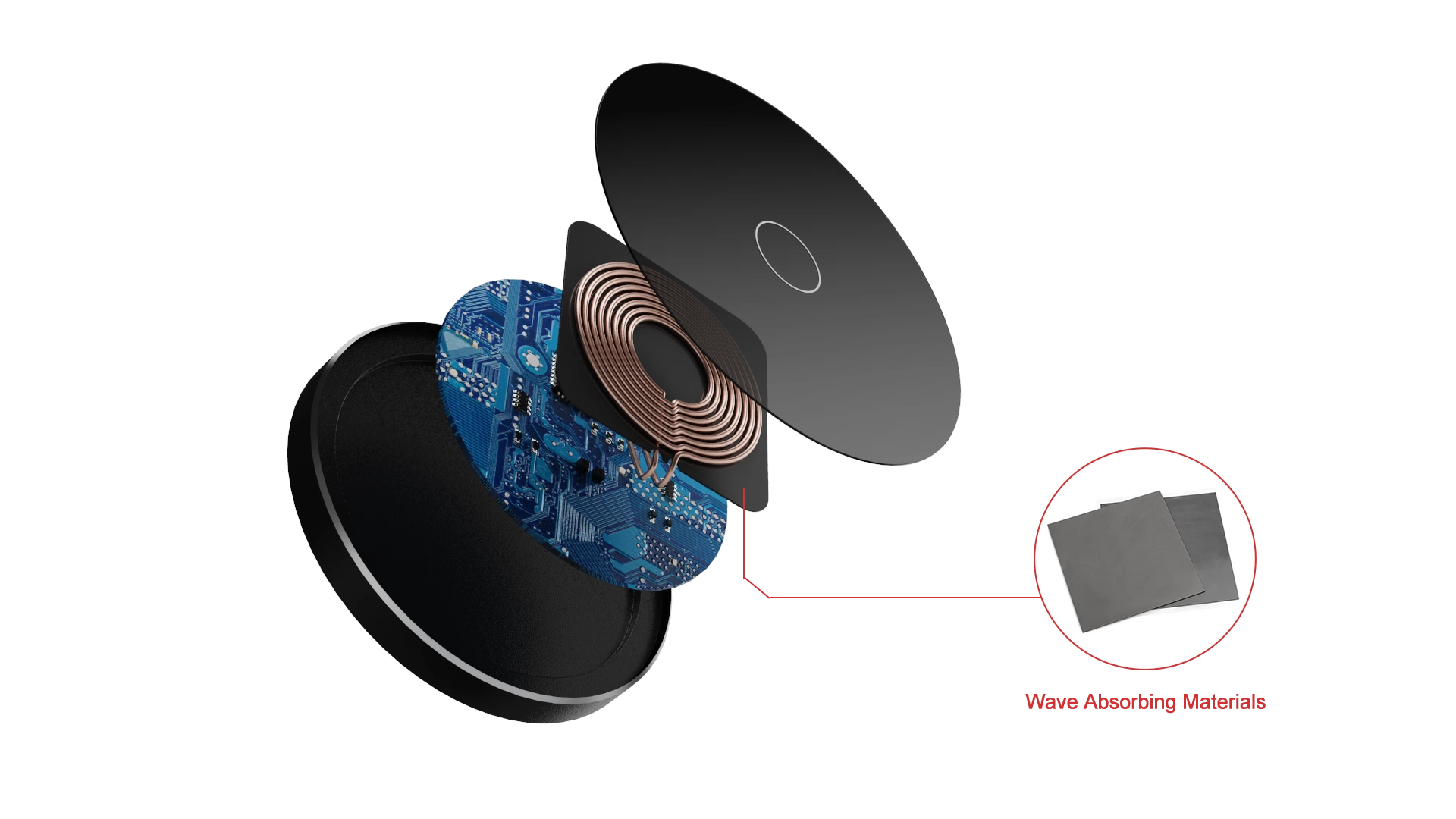
Figure 2. Adding our FEHONDA Wave Absorbing Materials to wireless charging. Effectively provides a low impedance path for magnetic induction lines.Insulation of the surrounding metal objects from energy transmission ensures proper use of the wireless charging function.
Consumer electronics
In phones, tablets and wearables, absorber sheets kill near-field noise at the source — over clock circuits, memory, flex cables and RF front ends. Energy is absorbed rather than reflected, so there is no cavity resonance or standing wave of the kind a metal shield can create in a tight enclosure. Thermally conductive grades cut noise and move heat off the parts underneath, in one part.
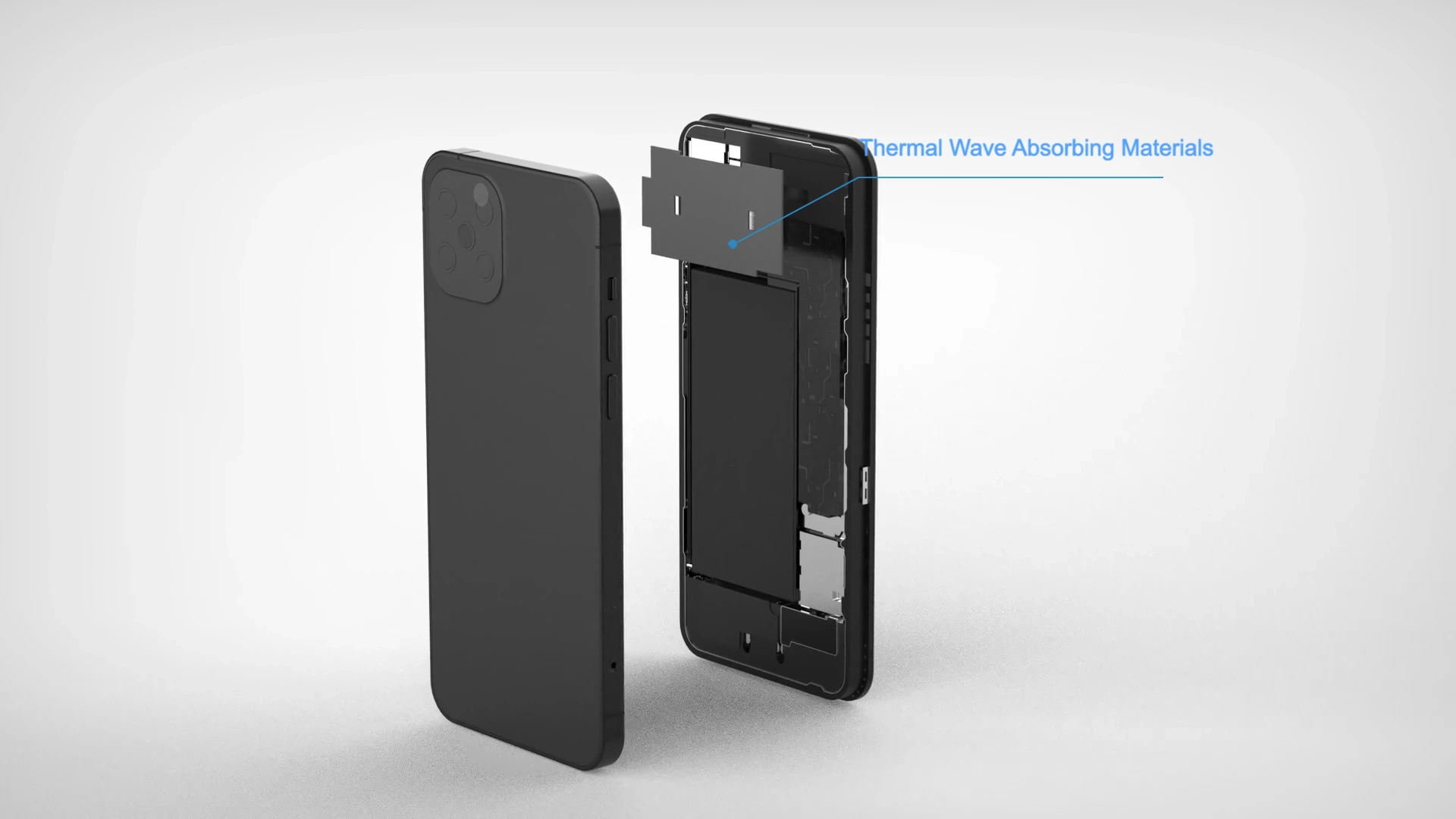
Figure 3.Adding FEHONDA Thermal Wave Absorbing Materials to mobile phones can reduce clutter and electromagnetic wave radiation while. Helps dissipate heat from internal components.
Photovoltaic and energy storage
Inverters and storage power electronics switch hard and fast, producing radiated and conducted noise inside a cabinet that also has to shed real power. Absorber sheets damp cavity resonances and decouple the switching stage from control and sensing circuitry. In a thermally loaded cabinet, specify the thermally conductive grade.
RF modules and NFC
Behind NFC and RFID antennas, a high-permeability sheet restores the field pattern against a metal backplane — that is what keeps read range usable. In radar and RF front-end modules, a thin sheet on the cavity ceiling damps resonances that would otherwise surface as emissions spikes in the EMC scan.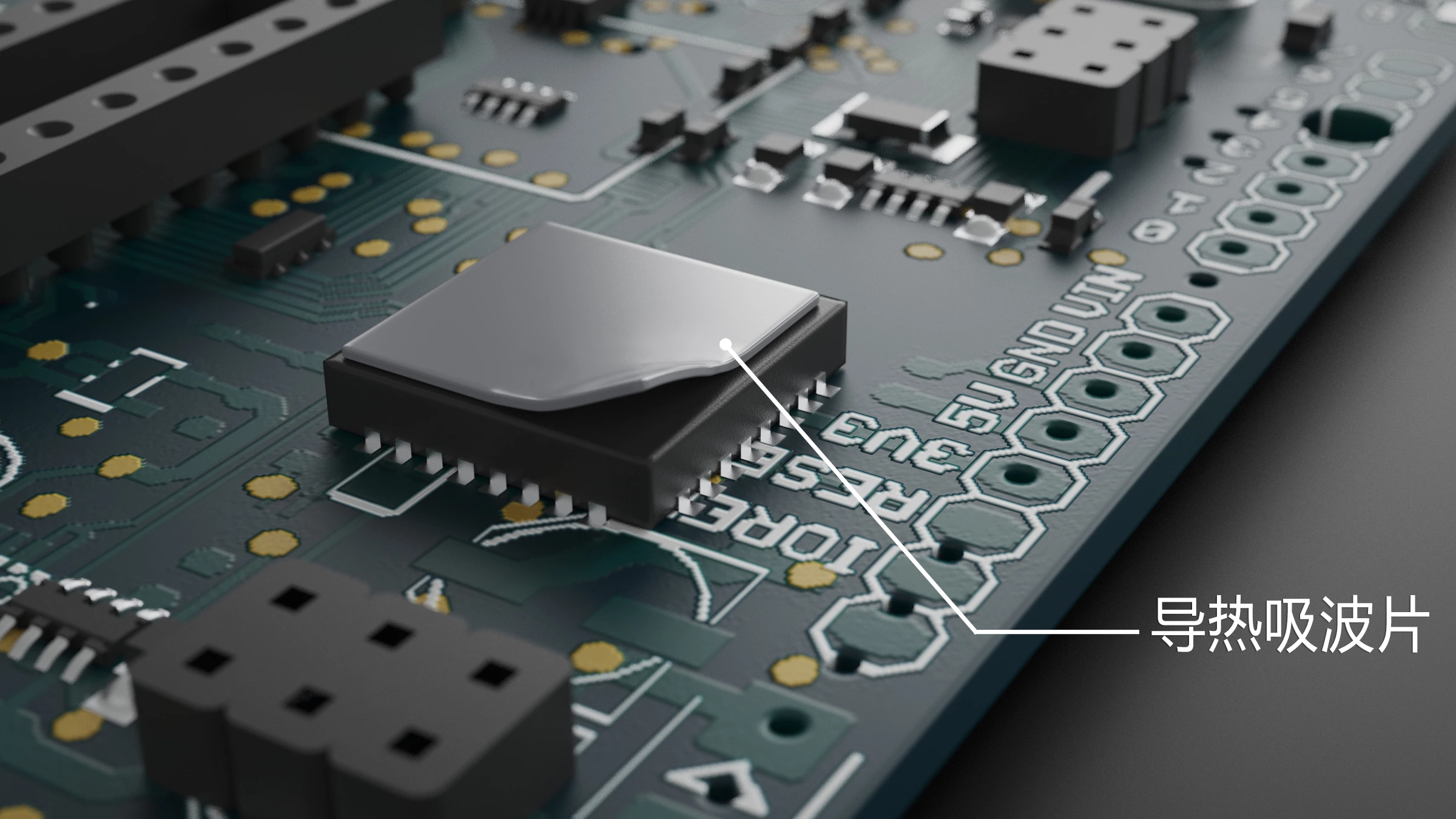 Figure 5.Adding FEHONDA Thermal Wave Absorbing Materials to mobile phones can reduce clutter and electromagnetic wave radiation while.
Caveat, all four: an absorber placed too close to a radiating element can detune it. Keep clearance from radiating edges, or use grades designed for antenna isolation, and validate with S-parameters after placement — a spectrum analyser alone will not tell you.
3. Why choose FEHONDA
- Absorption and conduction in one material. Our thermally conductive grades are specified for both, because the heat the material makes is part of the job. Two datasheet properties, one part — instead of two parts competing for the same millimetre.
- Selected by frequency and thickness, not catalogue default. Give us the band your pre-compliance scan shows and the thickness your stack allows; we match the grade to both. That is the difference between solving an EMI problem in one iteration and swapping materials for three weeks.
- A range matched to the mechanism. Magnetic-loss grades for near-field and wireless power, dielectric-loss grades for higher-frequency EMI — chosen for how your noise actually couples.
- Supplied ready to assemble. Die-cut to your drawing, adhesive-backed, thickness matched to your stack. Send the drawing and target band; we return a shortlist, not a catalogue.
- Documentation that survives review. Complex permeability spectra rather than a single headline number, thermal conductivity with its test method, continuous operating temperature range, and RoHS / REACH declarations with supporting test reports.
FEHONDA specialises in thermal conductivity, shielding and wave absorption, with materials in use worldwide. If your programme needs a material that absorbs and conducts, that is the conversation we are set up for.
4. Working with FEHONDA
FEHONDA supplies wave absorbing materials, thermally conductive wave absorbing grades, and the thermal pads, gels, potting compounds and coatings that complete the heat path, for wireless charging, consumer electronics, photovoltaic and energy storage power electronics, and RF modules.
Our sales and engineering support teams help with grade selection against your frequency band and thickness budget, sample supply, dispensing and die-cut trials, compliance documentation, custom die-cutting, OEM packaging and product customisation. Send us your stack-up, target frequency band, available thickness and production volume, and we will return a shortlist, sample recommendations and lead time. Please submit your request via our custom service form to ensure a faster response.
5. Frequently asked questions
What does a wave absorbing material actually do?
It converts electromagnetic energy that would otherwise radiate, couple or reflect into heat inside the material, through dielectric and magnetic loss. Effective absorption needs both impedance matching, so the wave enters, and attenuation, so the energy is dissipated inside.
Why does the absorber need to conduct heat?
Because absorbed energy becomes heat in the material. Without a path out the absorber heats up, and both its performance and stability degrade. In a wireless charging receiver it sits against the battery, so the thermal path is part of the specification.
Where does it go in a wireless charging module?
Behind the receiver coil. It channels magnetic flux along a low-reluctance path and shields the battery, frame and board from the alternating field, reducing eddy current heating in those parts and keeping more energy in the transfer.
How do I choose the right grade?
Start from the frequency band shown by pre-compliance measurement, then reconcile it with the thickness the stack allows — the loss peak shifts with thickness, so the two must be settled together. Then confirm the mechanism: magnetic-loss grades for near-field and wireless power, dielectric-loss grades for higher-frequency EMI.
Can an absorber hurt antenna performance?
Yes, if placed too close to a radiating element it can detune the antenna and cost gain. Keep separation from radiating edges or use grades designed for antenna isolation, and validate with S-parameter measurements after placement.