By [Mark Wang],
Senior Thermal Materials Engineer | 8 years in TIM formulation & gap filler application at Hunan Feihongda New Material Co., Ltd.
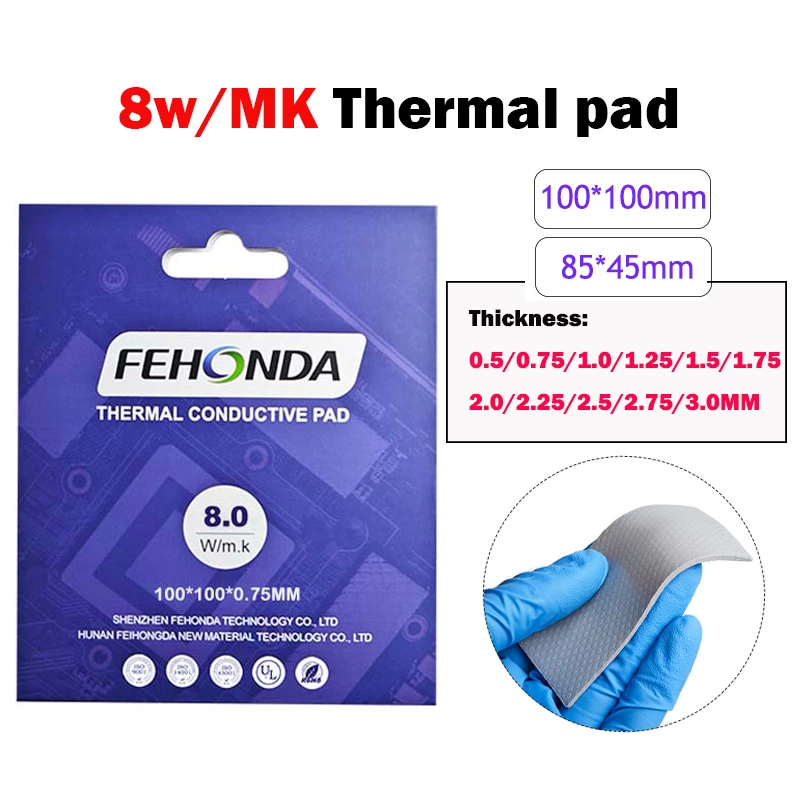
Thermal Pad Selection Guide: Which W/m·K (1.5–16) Fits Your Application?
Specifying a thermal interface material (TIM) for a new EV charger or retrofitting an existing IGBT module often starts and ends with one number: thermal conductivity.
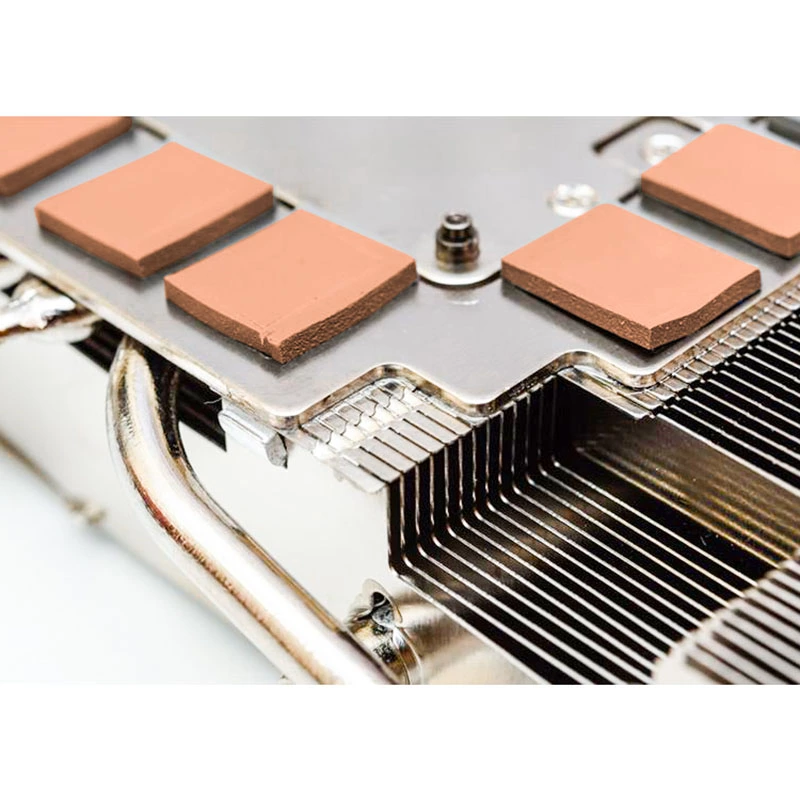
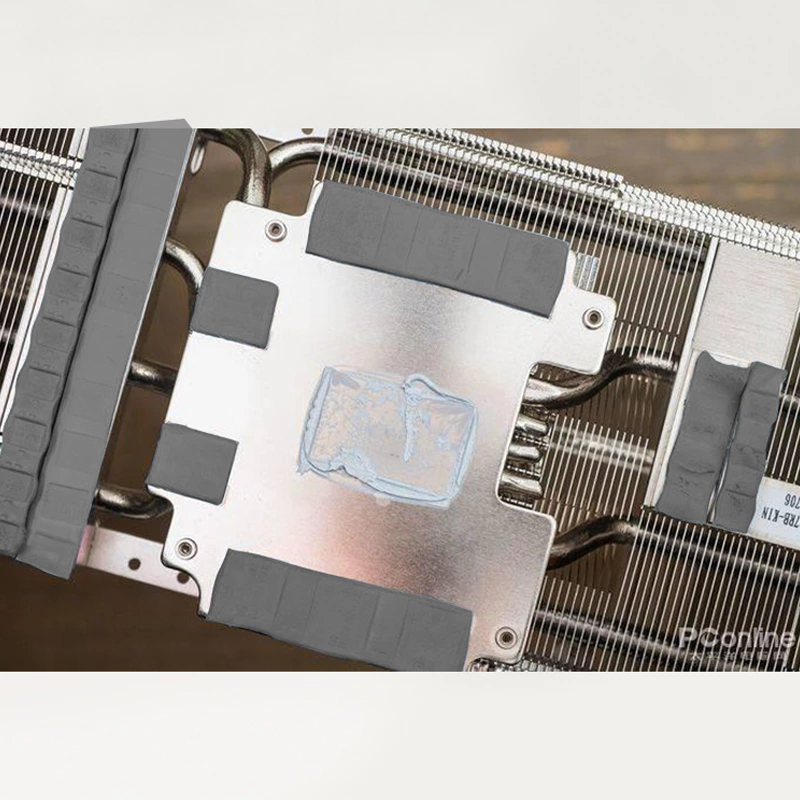
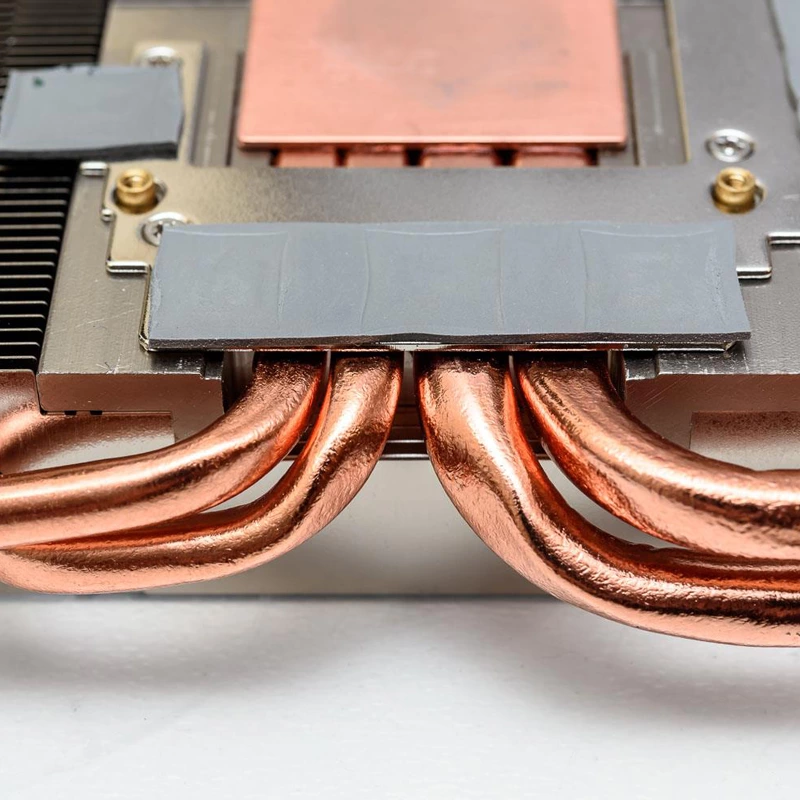
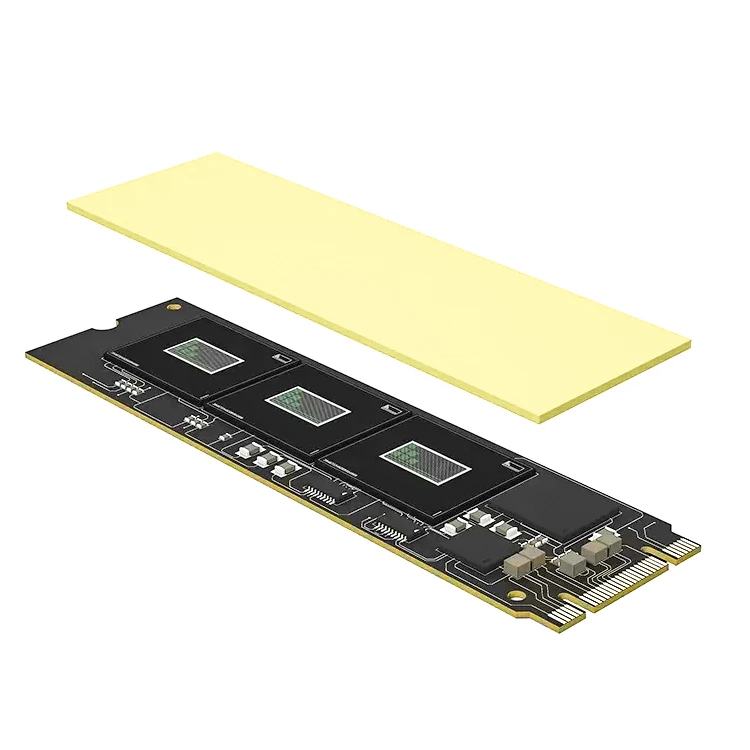
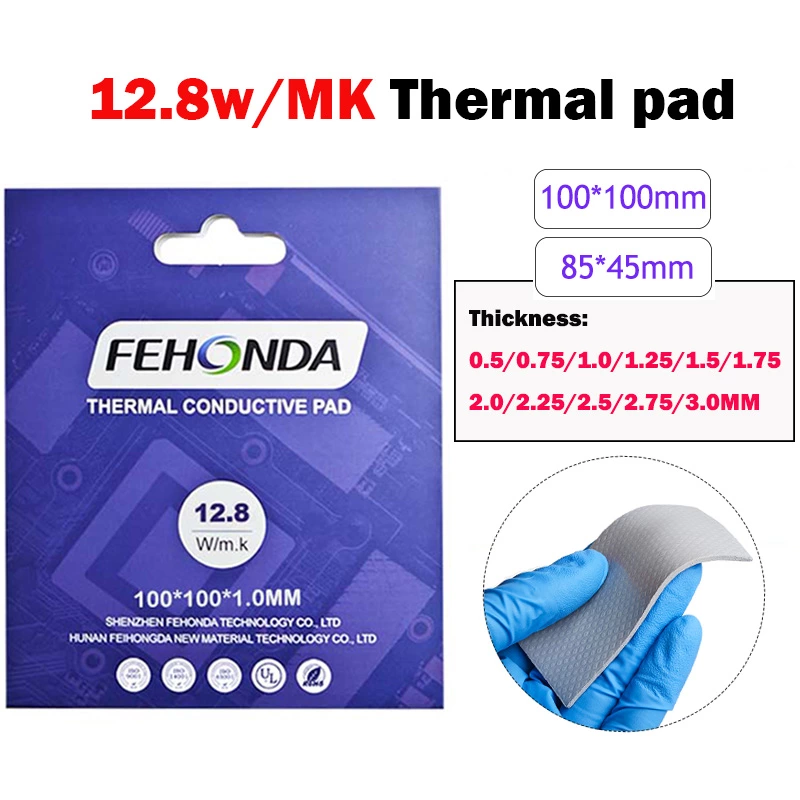
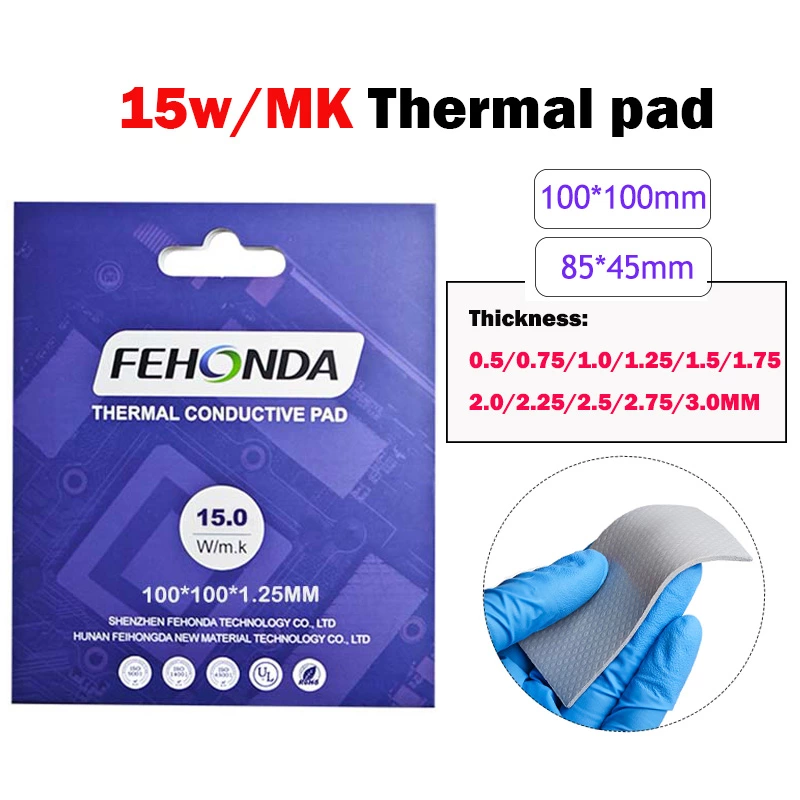
For commercial silicone gap pads, this typically ranges from 1.5 to 16W/m·K.
However, in our lab tests, we consistently find that "higher" doesn't automatically mean "better." A 15 W/m·K pad that is too stiff can leave air voids at the edges under low assembly pressure; conversely, a 1.5 W/m·K ultra-soft pad is often all a consumer device actually needs.
This guide maps each conductivity grade to real-world designs we encounter daily—from notebook aux pads to SiC traction modules—and includes a practical checklist for your next RFQ.
Why W/m·K Alone Doesn't Decide the Pad
Thermal conductivity measures how well a material conducts heat laterally once installed. It does not account for:
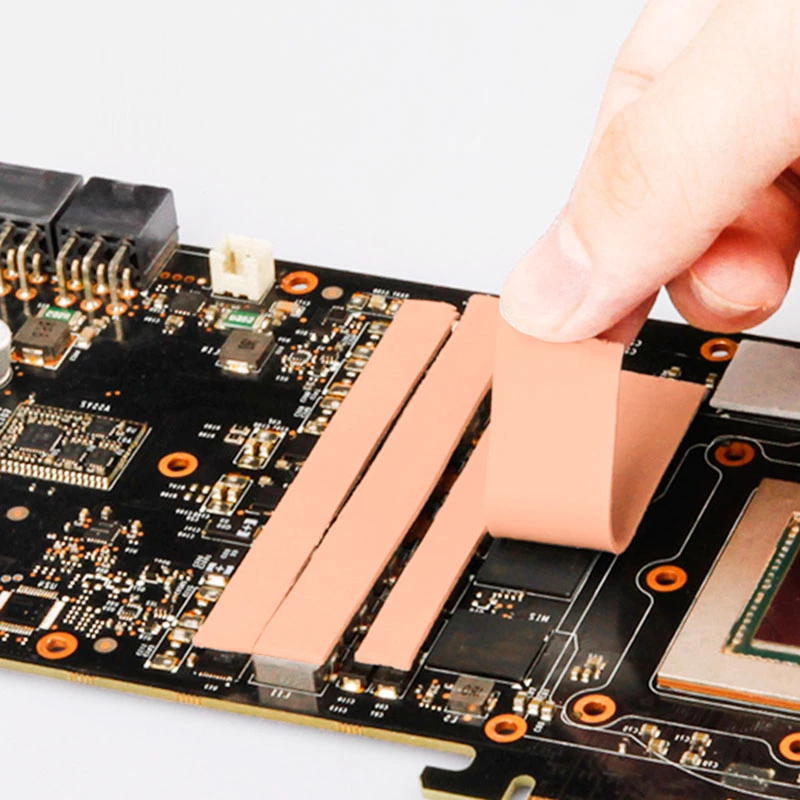
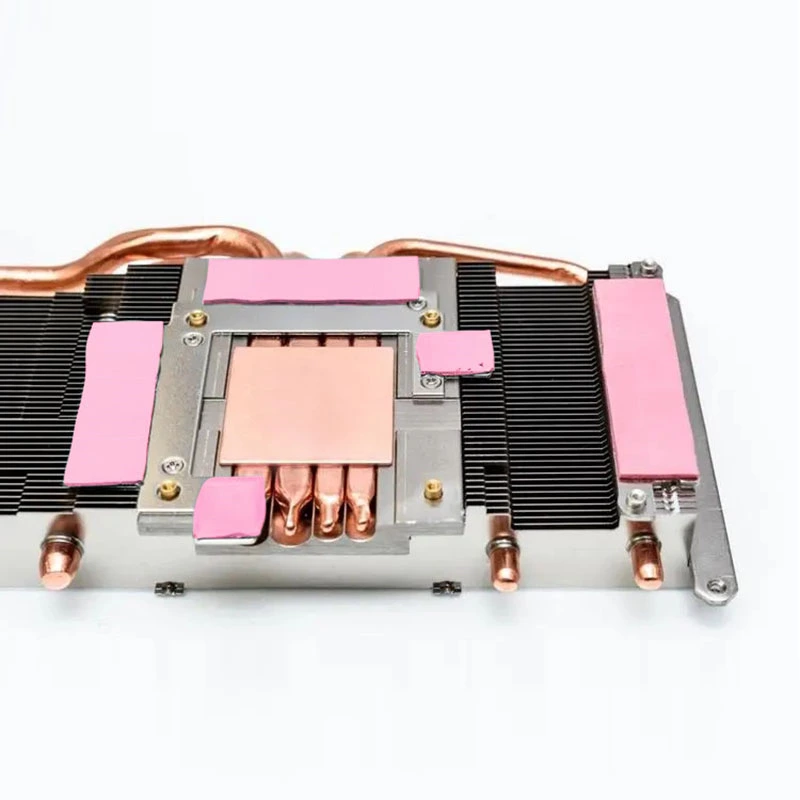
• Conformability: Can it fill a 0.3 mm gap under low pressure?
• Electrical Insulation: Most pads above 10 W/m·K are not insulative.
• Aging: How does the polymer behave at 150 °C next to a power inductor?
• Reworkability: Can the pad be removed without damaging the die?
At Hunan Feihongda New Material Co., Ltd., we treat thermal conductivity as just one variable in a trade-off involving softness, insulation, and total cost of ownership.
The table below reflects how design engineers actually specify these grades in production, not just in theory.
The 1.5–16 W/m·K Breakdown (Application Map)
Grade (W/m·K) Where It Typically Goes (Our Experience) Key Engineering Constraint
1.5 Notebook CPU aux pads, ambient light sensors, automotive wiper control modules. Ultra-soft (Shore 00 ~20), excellent dielectric strength, lowest cost.
2.0 Wi-Fi routers, LED drivers, appliance IPM backing, T-Box units. General-purpose workhorse; easy to source globally.
3.0 5G small-cell RF units, PV micro-inverters, capacitor banks in DC chargers. The "sweet spot" for balancing thermal performance against budget constraints.
5.0 22 kW OBC auxiliary devices, BMS sense boards, automotive matrix headlamps. Ideal for 0.5–2 mm gaps where moderate heat flux meets low assembly pressure.
6–8 IGBT baseplate fill (primary cooling via grease), residential PV inverters, server NICs. Entry into high-power territory; requires attention to compression set.
10–12 SiC module aux (800V platforms), HV BMS, Industrial UPS. Critical Note: Often non-insulating. Verify breakdown voltage if safety isolation is required.
13–16 Traction IGBT (rail/wind), SiC replacement in repair scenarios, high-power LiDAR. Very high filler content makes pads stiff (Shore 00 >60). Use only when absolutely necessary.
A common pitfall we see: Engineers specifying 12~15 W/m·K "just to be safe." At this range, the pad becomes significantly harder. If your hotspot is below 3 W/cm² and the gap is under 1.5 mm,
our thermal simulations show that a 5.0–8.0 W/m·K grade usually provides a lower total junction resistance due to better interfacial contact.
What to Check Besides Conductivity
We advise our clients to look beyond the W/m·K headline number and verify these four parameters against your application environment:
1. Dielectric Strength (ASTM D149): If you require >5 kV/mm, stay within the 3–6 W/m·K "insulating" family or pair a high-conductivity pad with a ceramic slip sheet. High filler loading in 10+ W/m·K pads often creates conductive pathways.
2. Hardness & Compression (@ 50 psi): Don't just look at Shore 00 hardness. Request a stress-strain curve. We often see cheaper pads fail to recover thickness after long-term compression.
3. Thermal Aging: Check for weight loss after 1000 hours at 150 °C. Silicone volatility can contaminate nearby optics or contacts.
4. Compliance: Mandatory certifications include UL 94 V-0, RoHS, and REACH. For European automotive projects, ensure your supplier can support IMDS uploads.
Our RFQ Checklist (Copy This)
To receive an accurate quote rather than a generic sales pitch, provide your supplier with these five data points:
• □ Hotspot power density: ______ W/cm²
• □ Gap thickness (including tolerance): ______ mm
• □ Available assembly pressure: ______ psi
• □ Electrical insulation required? Y / N (if Y, min ______ kV/mm)
• □ Required compliance: UL 94 V-0 / RoHS / REACH / IMDS?
At Hunan Feihongda New Material Co., Ltd., we use this exact checklist to filter inquiries and match the correct TIM grade before shipping samples.
FAQ: Addressing Common Thermal Pad Questions
Can I use a 15 W/m·K pad as a direct replacement for thermal grease?
Not usually. Greases and phase-change materials still outperform even 15 W/m·K pads on interface resistance because they wet the surface perfectly. High-conductivity pads are designed for gap-filling where you need a solid, reworkable solution and cannot risk pump-out associated with greases.
Do higher W/m·K pads last longer?
Not necessarily. Longevity correlates more with the silicone polymer's molecular structure and additive package than with raw conductivity. A well-formulated 5 W/m·K pad from a reputable supplier will outlive a poorly stabilized 12 W/m·K pad in a high-temperature environment.
Why do some 10 W/m·K pads have low breakdown voltage?
To achieve high thermal conductivity, manufacturers load the silicone with ceramic fillers (like AlN or BN). At high loadings, these particles can touch, creating conductive paths.
If you need both high W/m·K and high kV/mm, expect a significant price premium or consider a dual-layer approach.
Ready to Optimize Your Thermal Design?
If you are designing an OBC, SiC module, or BMS and are unsure whether your gap requires a 3.0, 6.0, or 12.0 W/m·K solution, send us the checklist above.
Our engineering team will review your requirements, recommend the optimal grade based on our internal thermal database, and ship free samples to your lab within 3–5 business days.
📩 Contact our technical team: sales@fehonda.com
📄 Download our High-Conductivity Pad Datasheets: http://By [Mark Wang], Senior Thermal Materials Engineer | 8 years in TIM formulation & gap filler application at Hunan Feihongda New Material Co., Ltd.